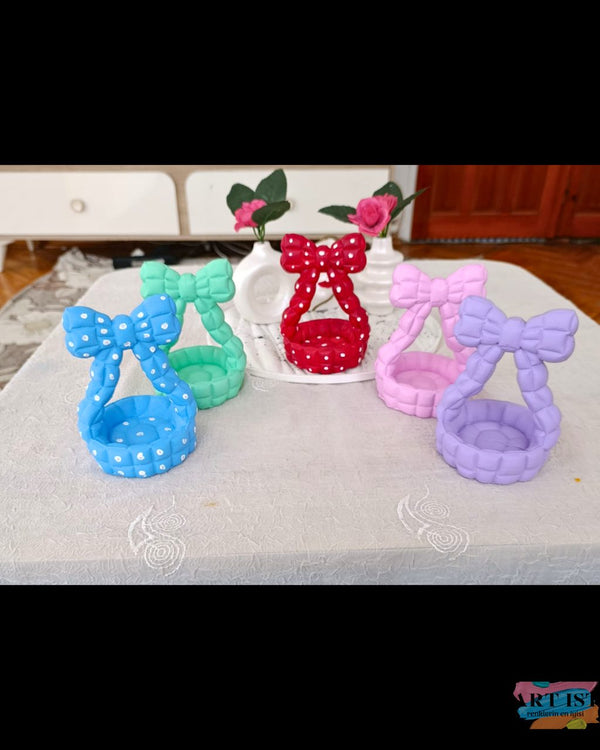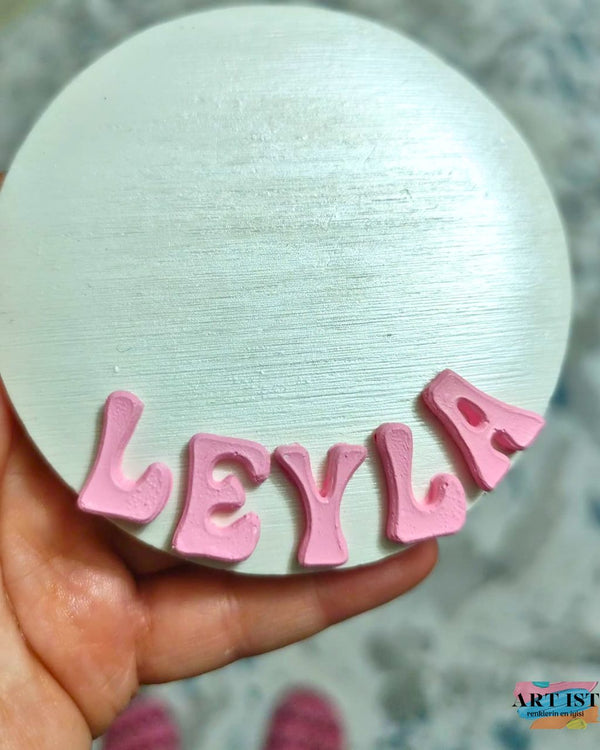
The words "acrylic" and "latex" on a paint tin can be confusing. Both can be water-based, both go onto many surfaces — but they're designed for different jobs. Which is right for your project? In this guide we put acrylic and latex paint side by side and explain the differences, the advantages, and when to choose which.
In short: what are acrylic and latex?
- Acrylic paint: A highly pigmented paint with an acrylic resin binder. Used in art, hobby work, furniture and decorative projects, on a wide variety of surfaces including wood, glass, metal and canvas. Flexible, durable and vividly coloured.
- Latex paint: A water-based paint generally made for walls and ceilings, covering large areas economically. The name is historical; most modern latex paints contain acrylic resin too.
So, simply put: acrylic = detail, décor and art; latex = large wall surfaces.
Comparison: the key differences
- Pigment load: Acrylic is more heavily pigmented; the colours are more vivid and more opaque. Latex is focused on covering large areas economically.
- Range of surfaces: Acrylic works on wood, metal, glass, plastic, canvas, stone and more. Latex is mainly for walls and plaster.
- Durability and flexibility: Acrylic dries to a flexible, solid film that resists cracking. Latex is good on walls but not as durable as acrylic for detail work.
- Detail and technique: Acrylic suits fine brushwork, layering and art. Latex suits broad roller work.
- Drying: If both are water-based, both dry quickly and are odour-free.
Which for which project?
- The walls of a whole room: Latex (wall paint) is economical and practical.
- Furniture, cabinets, frames, décor objects: Acrylic; strong adhesion and durability.
- Art, canvas, hobby work: Acrylic; vivid colour and a range of techniques.
- Glass, metal, plastic, ceramic: Acrylic (especially the hybrid series).
- Decorative wall patterns/murals: Acrylic; detail and vibrancy.
ART IST acrylic paints were developed for exactly this: décor, art and multi-surface projects.
Are both water-based?
Most modern latex paints are water-based and contain acrylic resin, which is why the names sometimes overlap. ART IST acrylics are water-based, odour-free and easy to clean up. What matters is reading the label: water-based products have the advantage both for health and for ease of use.
Cost and efficiency
Latex is priced to cover large surfaces economically in big tins. Acrylic, being more heavily pigmented and more versatile, is efficient in small to medium volumes, on detail and décor work. If you're painting a room, latex makes sense; if you're renovating a piece of furniture and painting a pattern on it, acrylic does. You can also use both together: latex on the wall, acrylic for the decorative detail.
How do I choose? 3 questions
- What am I painting? A wide wall → latex. Furniture/objects/art → acrylic.
- What's the surface? Plaster/wall → latex. Wood/metal/glass/plastic → acrylic (hybrid).
- How much durability and detail? High detail and durability → acrylic + varnish.
Common mistakes
- Painting furniture with wall paint: It won't meet your expectations for detail or durability; go for acrylic.
- Using latex on glass or metal: It won't grip; you need a hybrid acrylic.
- Assuming it's solvent-based: Check the label; if it's water-based it's odour-free and cleans up with water.
- Skipping the varnish: On acrylic décor work, varnish increases durability.
Frequently asked questions
Can acrylic paint be used on walls?
It can, and it's excellent for decorative patterns and accents in particular. On very large areas it makes sense to do the base in wall paint and the detail in acrylic, for economy.
Can I paint furniture with latex?
You can, but it isn't as durable or as detailed as acrylic. For furniture and cabinets, acrylic gives a better result.
Do both of them smell?
The water-based ones are close to odour-free. Older solvent-based paints do smell; check the label.
Which is more durable?
For detail and multi-surface work, acrylic is more flexible and durable. On a wall, a quality latex is perfectly adequate.
Can latex go over acrylic?
Generally yes, as both are water-based; even so, test a small area and make sure the surface is clean and matte.
In short: latex for large wall surfaces, acrylic for décor, art and multi-surface work. If your project calls for detail, durability and vivid colour, take a look at ART IST acrylic paints — you can transform almost any surface in your home!