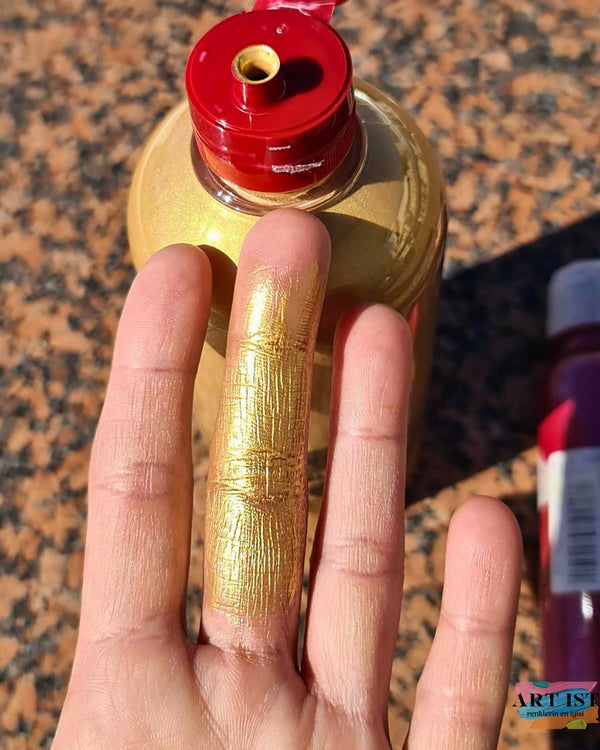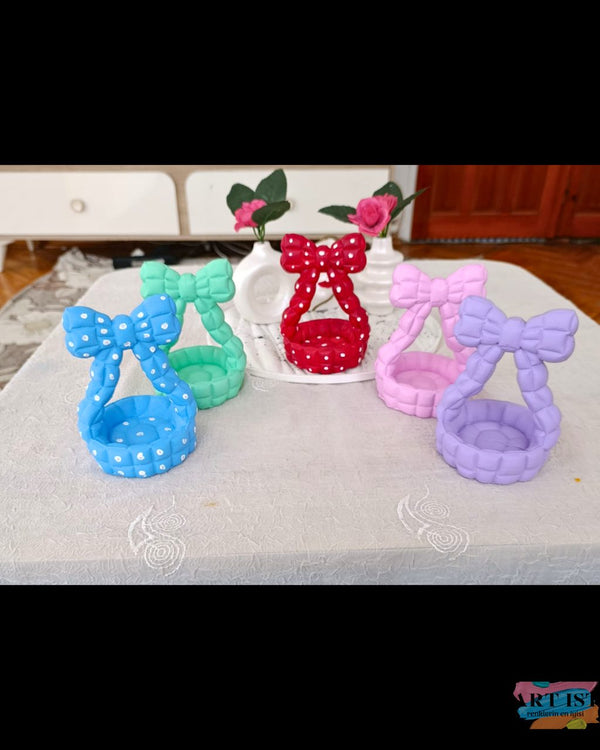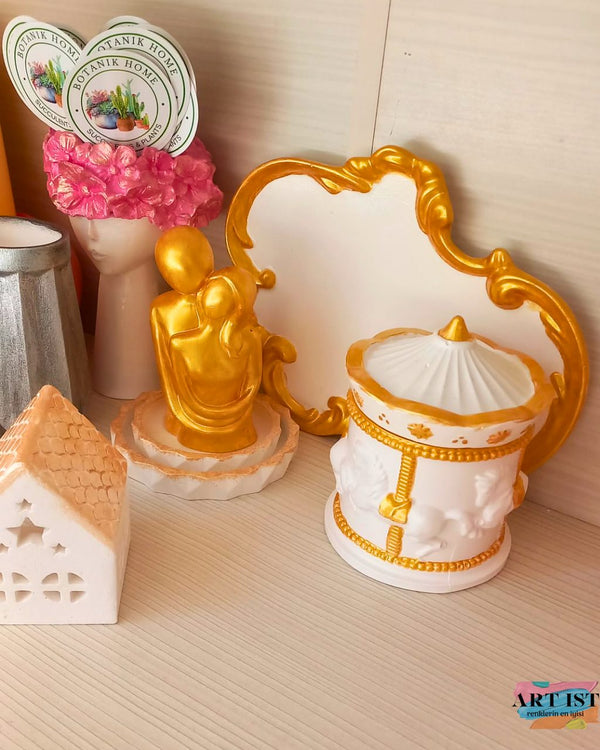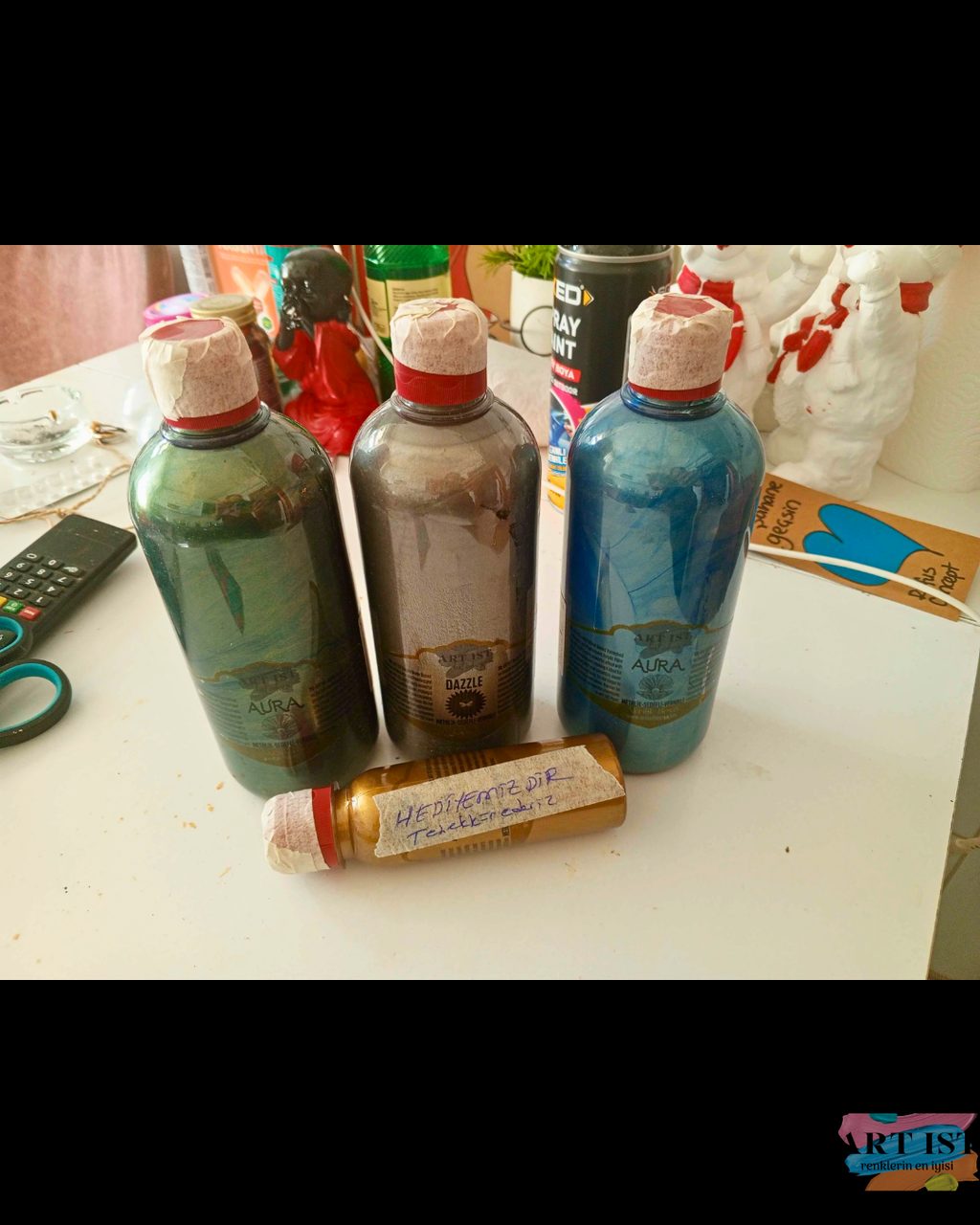
One of the most common questions at the start of a project: how much paint should I buy? Buy too little and the job stalls halfway; buy too much and you waste money and paint. Estimating the right amount is actually a simple calculation. In this guide we cover how to work out how much paint you need, what affects consumption, and how to avoid waste.
The basic logic: area and number of coats
Paint consumption depends on two things: the area to be painted and how many coats you'll apply. A paint's label usually states its coverage (how many square metres one unit covers). The calculation is simple:
Paint needed = (Area × Number of coats) ÷ Coverage per unit
For example, if you're painting a 2 m² surface with 2 coats and the paint covers 4 m² per unit: (2 × 2) ÷ 4 = 1 unit of paint is enough.
How do I measure the area?
- A flat surface: width × length (for example 50 cm × 100 cm = 0.5 m²).
- Furniture/objects: measure every surface to be painted separately and add them up (top, sides, doors and so on).
- Complex shapes: break them roughly into rectangles and add them up; erring on the generous side is safer.
What affects consumption
- How absorbent the surface is: Porous surfaces such as raw wood, stone and plaster drink up paint, so you'll use more. Smooth surfaces use less.
- Opacity: A highly pigmented paint covers in fewer coats and uses less. High-opacity paints are more economical in the long run.
- The colour change: A light colour over a dark base needs more coats (and a primer).
- How you apply it: Brushes and sponges use paint efficiently; spraying uses a little more.
- Texture: Rough or textured surfaces take more paint than flat ones.
Practical estimating tips
- Always buy a little more than the calculation says (10–20% extra); better than running out mid-job.
- Matching the same colour later can be hard; buying enough keeps the colour consistent.
- If you'll be using a primer, factor that in too.
- Painting a small test area to see how many coats it takes is the most reliable method of all.
More from less: avoiding waste
- Only put out as much as you need on the palette; open paint dries quickly.
- Apply thin coats; a thick coat is both wasteful and a worse result.
- Store leftover paint properly (sealed, cool) and use it on your next project.
- Choose a high-opacity paint; it covers in fewer coats.
Common mistakes
- Under-measuring the area: Forgetting the sides and undersides; the paint runs out halfway.
- Assuming one coat: Most jobs need 2; factor the coats into the calculation.
- Ignoring an absorbent surface: Raw wood soaks up more than you'd expect.
- Buying too little and losing the colour match: Finding the exact same tone later can be difficult.
Frequently asked questions
How many square metres does one unit of paint cover?
It varies by product and surface; the label will say. Coverage drops on absorbent and textured surfaces.
How many coats should I calculate for?
Two for most projects; three on raw or dark bases, or with a light colour. Multiply your figure by the number of coats.
What do I do with paint left over?
Stored properly (sealed, cool) it lasts for months or years, and you can use it on other projects.
Why did my paint run out faster than expected?
Usually because of an absorbent surface, thick coats, too many coats or low opacity. Thin coats and a high-opacity paint reduce consumption.
Is there a quick rule of thumb?
The simple formula (area × coats ÷ coverage) is enough in most cases; if you're unsure, buy a little extra.
With the right calculation you buy neither too little nor too much — good for your wallet and your project. Measure the area, factor in the coats, and leave a margin. Browse our range of acrylic paints for your colours!