Painting glass and ceramic is one of the most enjoyable ways to turn an ordinary mug, vase or plate into a piece of art. But these glossy, non-absorbent surfaces need a slightly different approach — otherwise the paint won't grip, or it will flake off quickly. Here's a step-by-step guide to a lasting, professional result on glass and ceramic.
Why do glass and ceramic need special care?
Porous surfaces like wood absorb paint and hold onto it. Glass and ceramic are smooth and non-absorbent, so paint can "slide" on the surface. With the right product and the right preparation, that problem is easily solved.
Choose the right paint
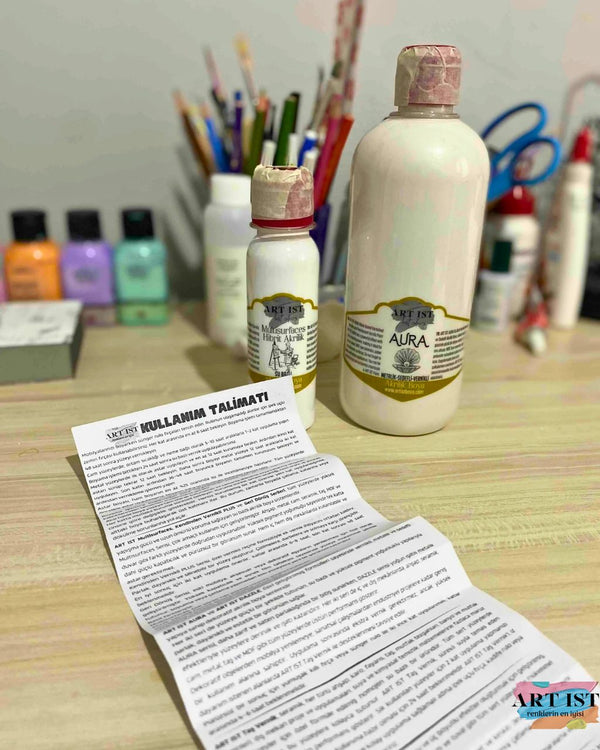
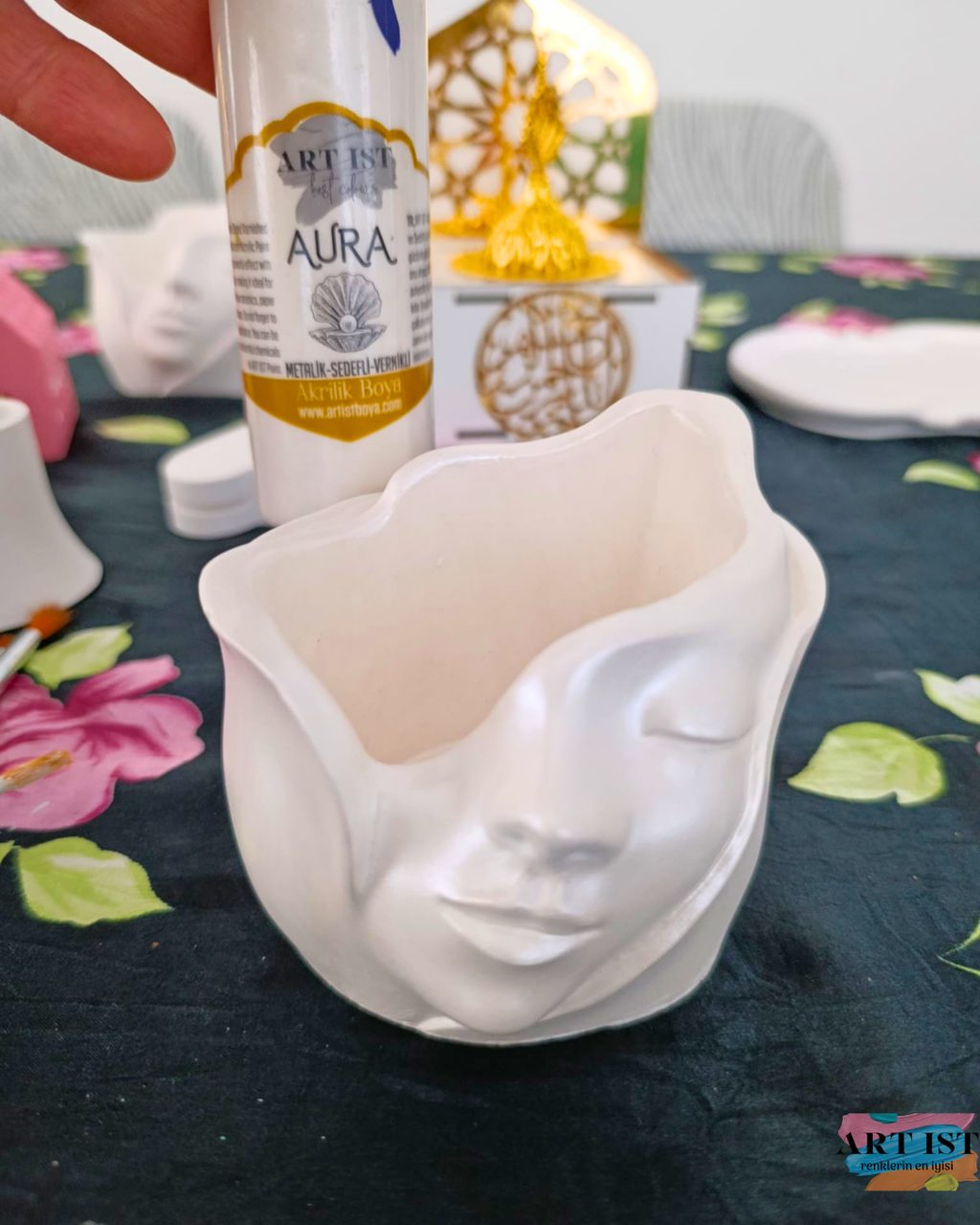
The secret with these surfaces is a compatible paint. The Multisurfaces hybrid acrylic series was developed precisely to grip demanding surfaces such as glass, ceramic and metal. Its strong adhesion gives a long-lasting result on decorative objects.
Step by step
1. Degrease the surface
The most critical step with glass and ceramic. An invisible film of grease will stop the paint gripping. Wipe it thoroughly with alcohol or water with a little vinegar, dry it with a clean cloth, and don't touch the surface with your hands afterwards.
2. Key the surface if needed
On very glossy surfaces, taking the shine off with a very fine sandpaper improves adhesion. It isn't essential, but it does make the finish last longer.
3. Paint in thin coats
Apply 2–3 thin coats rather than one thick one, letting each dry. Soft brushes or a sponge give the smoothest surface.
4. Give it time to dry
On glass and ceramic, paint "settles" a little more slowly than on porous surfaces. Don't rush — allow a few days for it to cure fully.
5. Seal it with varnish
Apply varnish over the top for durability. On items that are used often or will be washed, this step is essential; it protects the paint against water and abrasion.
Use and washing: what to watch for
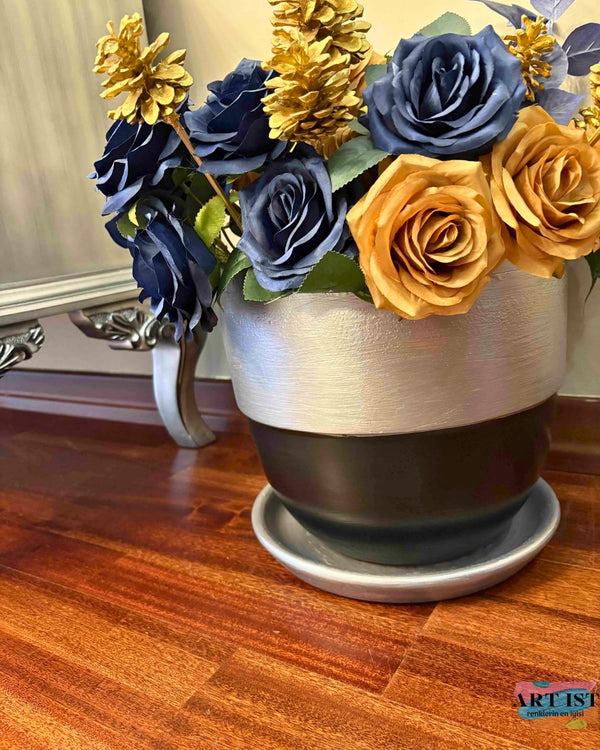
- Decorative objects (vases, ornaments, pots): paint them freely — the finish lasts well.
- Items washed often (glasses, plates): wash by hand, gently; avoid the dishwasher and abrasive sponges.
- Surfaces that touch food: apply the paint to the outside, not to any part that touches the mouth or the food.
Common mistakes
- Not degreasing the surface → the paint won't grip and will flake.
- Applying thick coats → cracking and runs.
- Leaving it unvarnished → it'll be damaged the first time it's washed.
- The wrong paint → ordinary acrylic struggles on glass; go for the hybrid series.
Frequently asked questions
Can I wash a painted glass?
Yes, but by hand and gently. A varnished surface resists water; even so, a dishwasher isn't recommended.
Does it need baking?
With air-drying hybrid paints such as Multisurfaces, baking isn't necessary — it cures at room temperature.
Can I get a transparent effect on glass?
Thinning the paint (with a medium) can give semi-transparent, stained-glass-like effects; for an opaque result, apply two coats.
Ready to rediscover the ordinary glass and ceramic around your home? Start with the Multisurfaces series and finish with varnish. Even a small vase can become the detail you love most in your home!