An ordinary stone you've picked up outdoors can become a tiny work of art with a few colours and a little patience. Stone painting, and mandala designs in particular, is a hobby that's both soothing and enormously enjoyable. Its meditative repetition is a wonderful way to let go of stress — and it gives your home or garden original decorative pieces too. In this guide we take you step by step through starting stone painting, the secret of mandala patterns, and tips for a result that lasts.
Why is stone painting so popular?
- Cheap and accessible: The materials are out in nature; all you need are stones, paint and a brush.
- Soothing: A mandala's repeating pattern calms you like meditation.
- Suitable for all ages: You can do it with children too (safe with water-based paint).
- Versatile: They make paperweights, garden ornaments, gifts and table decorations.
High-pigment acrylic paints are ideal for a vivid result; acrylic grips stone beautifully and gives bright colours.
Which stones should you choose?
The best stones are smooth, flat and non-porous. River stones are perfect for mandalas: their surfaces are flat and the paint doesn't run. Very porous, rough stones absorb the paint and make the pattern harder. Wash the stones in soapy water and dry them completely before you use them.
What you'll need
- Smooth, flat stones
- Acrylic paints (a dark colour for the base plus vivid colours for the pattern)
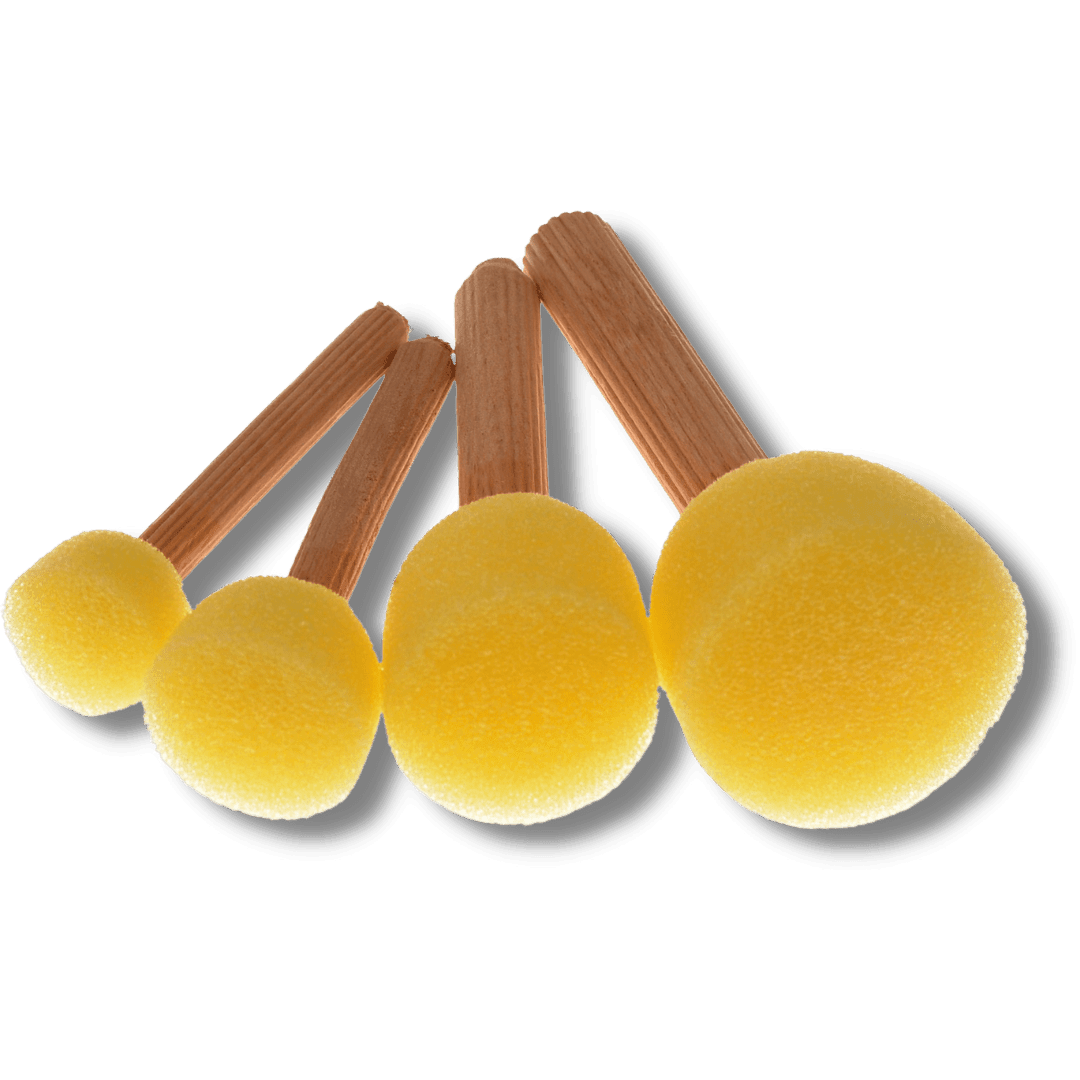
- Fine-tipped brushes and dotting tools — or a cocktail stick, the end of a ballpoint pen or a skewer head will do
- A palette (to put the paint on)
- A pencil and a pair of compasses (for the centre and circles)
- Varnish (essential if it's going outdoors)
The dotting technique for mandalas
The secret of a mandala is regular dots. Different tip diameters give different sized dots: a thick tip for the large dot in the centre, fine tips for the dots that shrink towards the outside. Dip the tip in the paint and press it straight down onto the stone, and you get a round, even dot. Re-dip as the dot gets smaller.
Step by step: your first mandala stone
1. Paint the stone in a base colour
Mandalas shine most over a dark base (black, navy, dark green). Paint the stone with one or two coats of the base colour and let it dry completely.
2. Find the centre
Mark the middle of the stone lightly in pencil. A mandala grows symmetrically from the centre outwards; if the centre is right, the pattern will be even.
3. Start from the centre
Place a single large dot in the middle. Make a ring of smaller, evenly spaced dots around it. Keep the number of dots and the colour consistent within each ring.
4. Grow it ring by ring
Add new rings outwards, reducing the dot size gradually. Repeat colours (a white-gold-blue sequence, say) to build a harmonious rhythm. You can enrich it with leaf, teardrop and line motifs.
5. Detail and shimmer
Leave the smallest dots and the fine details until last. Metallic gold and silver dots give a mandala magnificent depth, and shine especially well over a dark base.
6. Protect it with varnish
Once the paint is fully dry, apply a coat of varnish. Varnish brings the colours to life and protects the stone against water, dust and scratches — apply it without fail on stones going out into the garden. Gloss varnish gives a wet, vivid effect.
Stone painting ideas beyond mandalas
- Sweet animals (ladybirds, owls, cats)
- Cactus and succulent stones (placed in a plant pot)
- Motivational words / little messages
- Galaxy and night sky themes
- House numbers or garden marker stones
Common mistakes in stone painting
- Rough or porous stones: They absorb the paint and the dots spread.
- Not washing the stone: Dust and grease spoil the paint.
- Starting the pattern before the base is dry: The dots blur.
- Uneven dotting pressure: The dots come out different sizes; press straight down and evenly.
- Putting them outdoors unvarnished: The colours run in the rain.
Frequently asked questions
Which paint is used for stone painting?
Acrylic paint is ideal; it grips stone well, dries fast and gives vivid colours. Being water-based, it's odourless and safe.
Do I need dotting tools?
No. Professional dotting tips make it easier, but you can make lovely dots with household items such as cocktail sticks, skewer heads and the back of a ballpoint pen.
Will painted stones survive outdoors?
Yes, if you varnish them; varnish protects against rain and sun. Unvarnished stones fade and run outdoors.
Is it safe to paint stones with children?
It's fine with water-based acrylic; even so, supervision and care with small tools are recommended with young children.
I don't know how to draw a mandala — can I do it?
Absolutely. A mandala is built entirely on repetition and symmetry; start at the centre and the pattern forms itself as you add even rings. You can practise on paper first.
Stone painting is a pursuit that requires no artistic training and brings everyone a little peace. Start with a handful of stones, a few colours and some patience; once you've placed that first dot in the centre, the rest follows. Choose your colours and turn nature's little canvases into art!