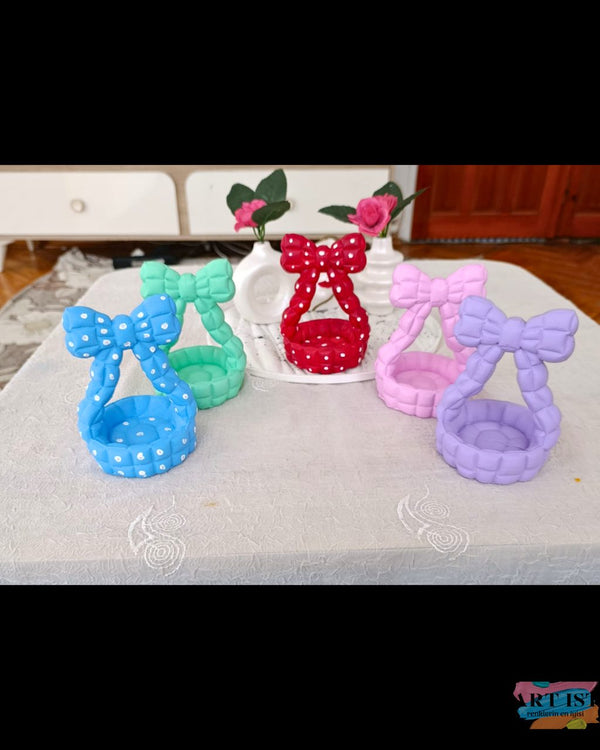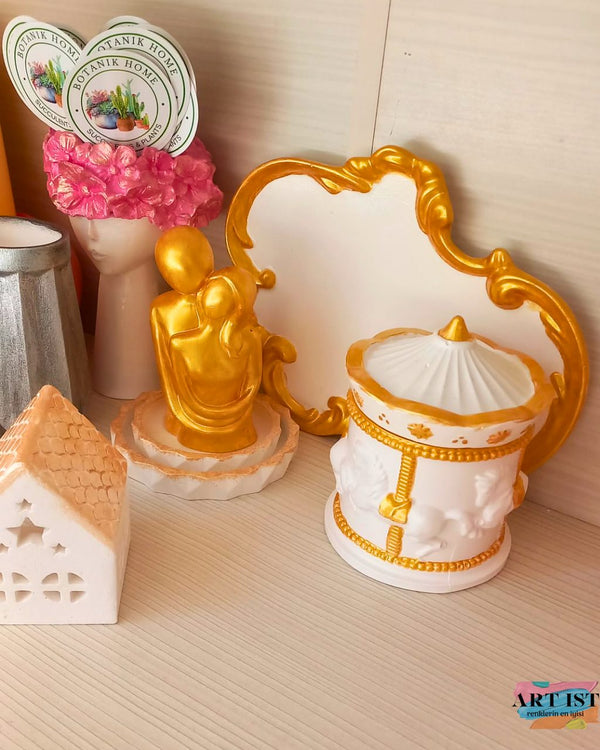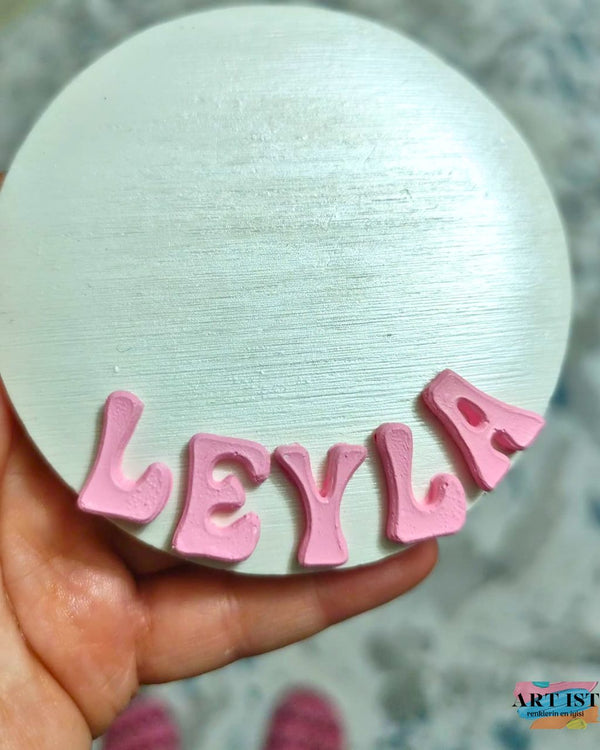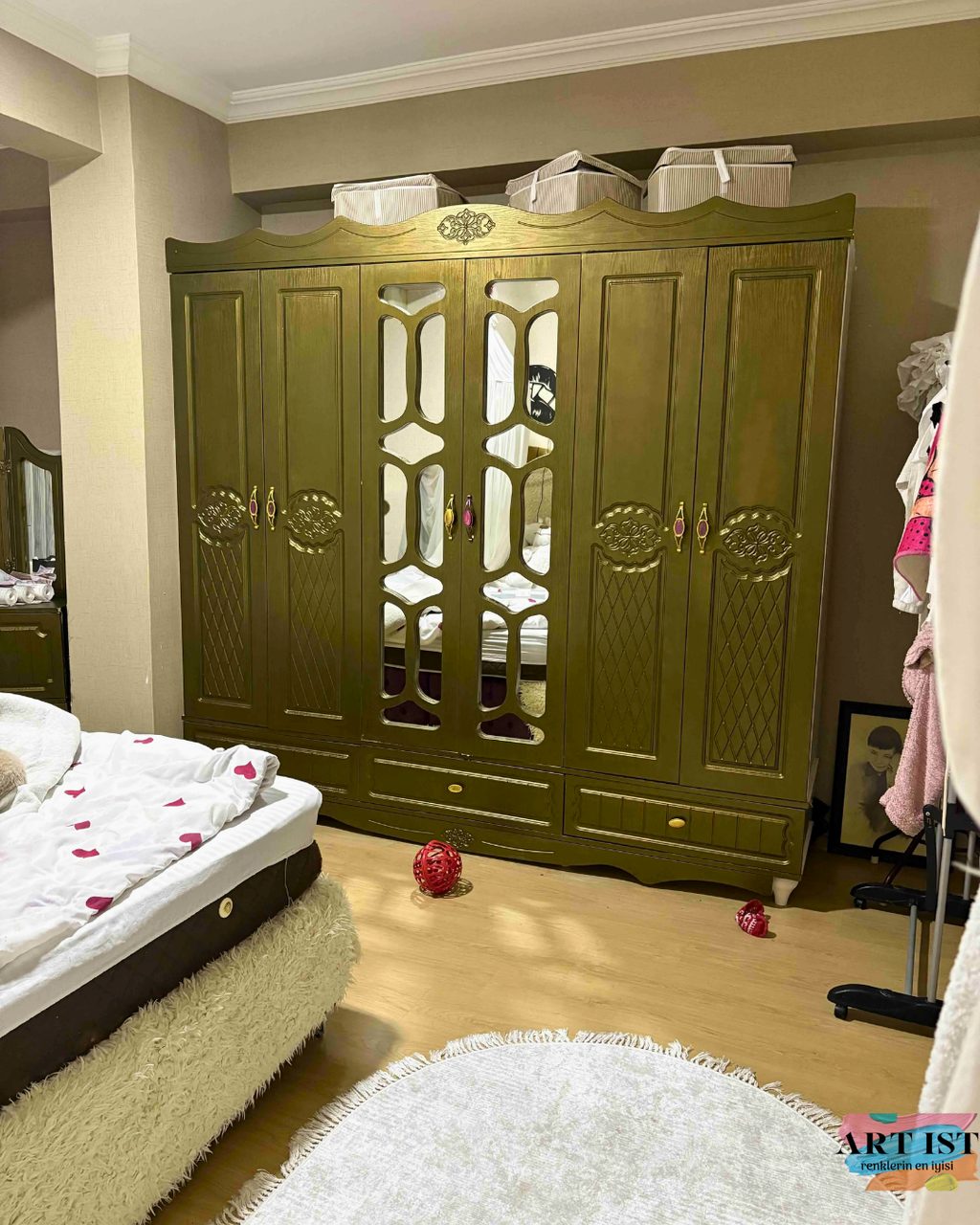
The same colour looks completely different in a matte or a gloss finish. Your choice of finish determines how a surface is perceived, how durable it is, and even how "expensive" it looks. In this guide we compare matte, semi-matte and gloss finishes and explain which to choose for which project.
What is a finish, and why does it matter?
A finish is how much light the dried paint (or varnish) reflects. Reflect a lot and it looks glossy; reflect little and it looks matte. It isn't only aesthetic; how easy the surface is to clean, how much it shows marks, and how the texture reads all depend on the finish.
Gloss finish
The option that reflects the most light. It brings colours to life and gives a wet, rich look. Advantages: it's the easiest to clean, resists water and catches the eye. Disadvantage: it shows every imperfection and fingerprint. Ideal for metallic colours, decorative objects and anything you want to stand out. You can strengthen the effect with gloss varnish.
Matte finish
It doesn't shine, and looks calm and sophisticated. Advantage: it hides imperfections, scratches and fingerprints, and gives a modern, elegant feel. Disadvantage: on surfaces wiped very often, it doesn't clean as easily as gloss. It suits distressed, rustic and pastel work beautifully, and looks superb on furniture. Seal it with matte varnish.
Semi-matte (satin) finish
The balance between the two. It gives a gentle sheen without shining, and doesn't show marks too much. The safest choice when you can't decide; ideal for things used every day. Semi-matte varnish is the most versatile option.
Which finish for which project?
- Furniture, frames, decorative boxes: matte or semi-matte (elegant, hides marks).
- Kitchen and bathroom items, trays, surfaces handled often: gloss or semi-matte (easy to clean).
- Metallic/vivid decorative objects: gloss (increases the shimmer).
- Distressed/vintage work: matte (the most natural vintage texture).
- Children's rooms, surfaces wiped often: semi-matte (a balance).
Two things set the finish: paint and varnish
The final look depends both on the paint's own finish and on the varnish you apply over it. You can make a matte paint glossy with a gloss varnish, or soften a glossy paint with a matte varnish. Varnish is the easiest way to adjust a finish. Choose the effect you want from our range of varnishes.
Common mistakes
- Matte on a frequently wiped surface: Shiny patches can appear over time; go for semi-matte or gloss.
- Gloss on a rough surface: It shows every flaw; smooth the surface first.
- Gloss varnish on a distressed piece: It spoils the vintage feel; use matte.
- Applying to the whole surface without testing: See the finish on a small area first.
Frequently asked questions
Which finish is more durable?
Gloss finishes are generally the easiest to clean and the most water-resistant. Matte looks elegant, but in places wiped very often, gloss or semi-matte is more practical.
Can I make a matte finish glossy later?
Yes; you can increase the shine by applying gloss varnish over it.
Does a gloss finish show imperfections?
Yes; glossy surfaces reveal every flaw. On rough surfaces, matte is more forgiving.
Which finish for metallic colours?
Gloss varnish increases metallic shimmer the most; matte gives a more sophisticated, pearl-like effect.
When does semi-matte make sense?
When you want both elegance and cleanability; it's the most balanced choice for most everyday items.
The right finish turns good work into perfect work. Choose matte, semi-matte or gloss according to how your piece will be used and the mood you want; then set the finish exactly as you like it with our varnishes!