Painting metal is the fastest way to turn a rusty radiator, a weathered garden chair or an ordinary metal tin into something that looks brand new. But unlike wood, metal is non-absorbent, slippery and prone to rust; without the right preparation the paint won't grip, or it'll flake off within weeks. In this guide we take you step by step through painting metal so it lasts, how to prevent rust, and which products to use.
Why is metal a difficult surface?
- It's not absorbent: Paint can't penetrate it, only hold on to the outside; adhesion is everything.
- It's slippery: Smooth metal repels paint; it needs light keying.
- It rusts: Iron and steel rust in damp conditions, and rust can work its way up from under the paint and ruin the job.
- It expands: Metal expands in heat and contracts in cold; you need a flexible paint.
The good news: with the right product and preparation, all of these are solved. Our Multisurfaces hybrid range was developed precisely to grip difficult surfaces like metal.
Which paint is suitable for metal?
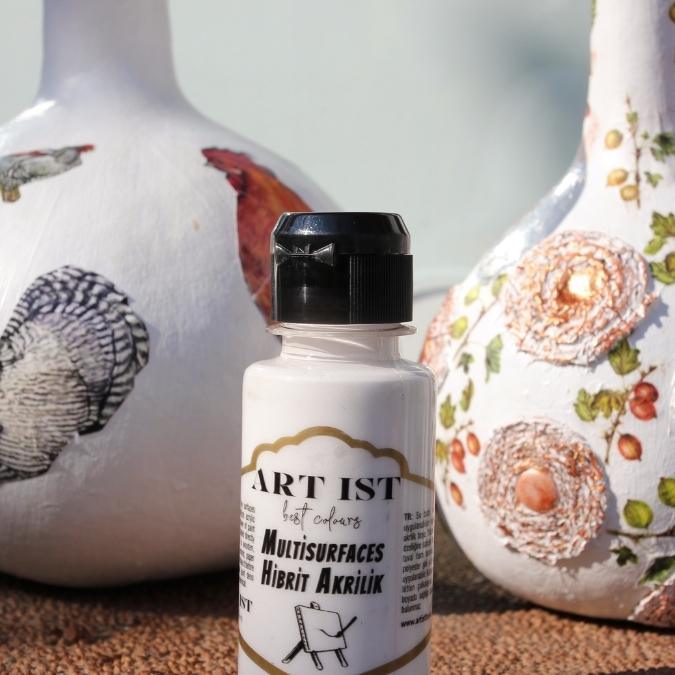
Not every acrylic performs the same on metal. The safest choice is a hybrid acrylic with high adhesion. The Multisurfaces range is specially formulated for surfaces such as metal, glass and ceramic. If you want extra durability and varnish in a single product, Self-Varnishing PLUS also gives a good result on metal. For a decorative metallic shimmer, you can add highlights with our metallic colours and the AURA range.
What you'll need
- An acrylic (hybrid) paint suitable for metal
- A wire brush or sandpaper (for rust and old paint)
- Fine sandpaper (to take the shine off the surface)
- A rust converter or metal primer (for rusty surfaces)
- Alcohol or a suitable degreaser (for cleaning the surface)
- A brush or sponge
- Varnish (for protection)
- Gloves and a mask (for the rust dust)
Step by step: how to paint metal
1. Remove the rust and old paint
Rust is paint's greatest enemy. Use a wire brush, sandpaper or a sanding sponge to scrape away all the rust and flaking old paint. Keep going until you reach sound metal. Wear gloves and a mask for this step; rust dust shouldn't be breathed in.
2. Degrease the surface
There may be an invisible film of oil on the metal (particularly on new metal or anything that's been handled). Wipe it with alcohol or a suitable solvent, dry it with a clean cloth, and don't touch it with bare hands again. A grease-free surface means solid adhesion.
3. Key the surface lightly
On very shiny metal, taking the shine off with fine sandpaper dramatically improves how well the paint grips. Light scratches are enough; there's no need to dig into it.
4. Apply a primer or rust converter
This step is worth its weight in gold on metal. For rust-prone iron and steel, a rust converter or metal primer both neutralises any remaining rust and gives the paint a perfect base. On galvanised, aluminium or stainless metals, a suitable primer guarantees adhesion. Apply the primer and wait for it to dry fully.
5. Paint in thin coats
Apply the paint in thin, even coats. A thick coat on metal will run and drip. The first coat may look sparse; two or three thin coats give a full, durable result. Wait for each coat to dry fully (drying can take a little longer because metal stays cool).
6. Add detail and effects
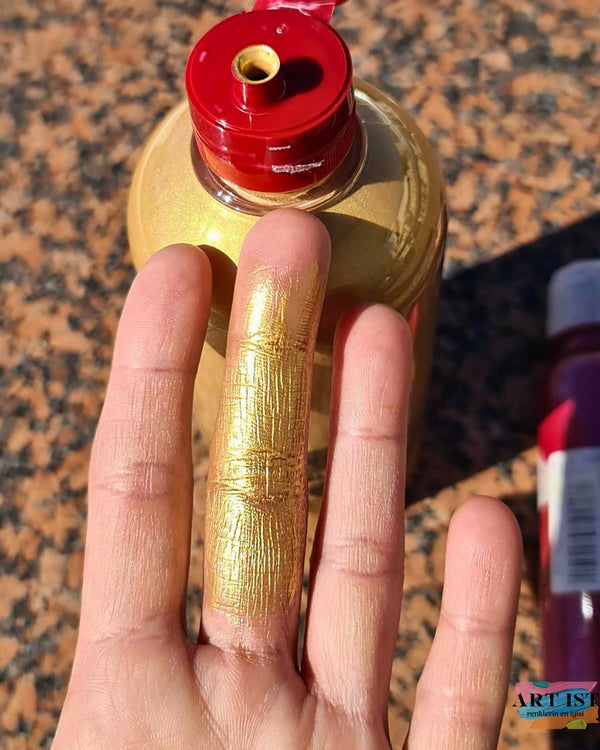
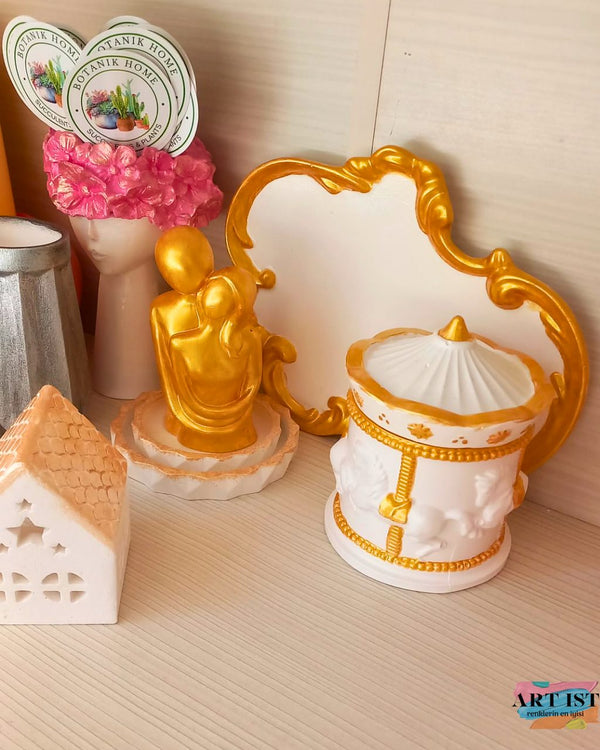
Metallic over metal looks superb: you can give a piece a vintage or industrial feel with gold, silver and copper tones. A highlight along the edges with liquid leaf gives old metal an antique look.
7. Lock it in with varnish
Varnish is essential on metal items that will live outdoors or get handled often. Gloss varnish gives a vivid, protected finish; matte varnish gives an industrial-chic look. Varnish protects the paint against damp, scratches and UV.
How do you prevent rust? 5 golden rules
- Remove all the rust: Any rust left underneath will spread beneath the paint.
- Use a rust converter or primer: It neutralises the micro-rust that remains.
- Keep the surface dry: Never paint damp metal.
- Seal it with varnish: The final shield that stops moisture reaching the metal.
- Touch up scratches straight away: Every scratch is an open door for rust.
Different metals, different approaches
- Iron and steel: The most rust-prone; rust removal and a primer are essential.
- Aluminium: It doesn't rust, but it is slippery; good sanding and a primer ensure adhesion.
- Galvanised (zinc-coated): Needs a special primer; paint struggles to grip directly.
- Tin and decorative metal boxes: Cleaning plus a hybrid paint is usually enough; ideal for hobby projects.
Common mistakes when painting metal
- Leaving rust behind → the paint bubbles up from underneath and flakes off.
- Not degreasing the surface → the paint won't grip.
- Skipping the primer → a short-lived result.
- Applying thick coats → runs and long drying times.
- Working in damp conditions → the rust comes back.
- Leaving it unvarnished → it deteriorates quickly outdoors.
Frequently asked questions
Can rusty metal be painted directly?
No. The rust must be removed; paint applied straight over it will bubble up within weeks. A rust converter or primer makes the job secure.
Does ordinary acrylic paint grip metal?
Standard acrylic is weak on metal. A hybrid acrylic (such as Multisurfaces) gives high adhesion and a far more lasting result.
Can radiators be painted?
Yes, but you need a heat-resistant product and a suitable primer; surface cleaning and thin coats are essential.
How long will outdoor metal furniture last?
With the right preparation (rust removal + primer + 2-3 thin coats + varnish), for years. Left unvarnished, it can deteriorate within a single season.
How many coats does it take?
Two or three thin coats is usually ideal. Thin coats are always more durable than one thick one.
Painting metal is far easier than it looks, and enormously satisfying, when the preparation is right. Remove the rust, prime it, apply thin coats and lock it in with varnish — your old metal pieces will look brand new. Start with the Multisurfaces range and see the difference!