A blank canvas means limitless possibility. Acrylic paint is the ideal choice for anyone starting out in canvas painting: it dries fast, it's water-based, it doesn't smell, and if you make a mistake you can simply paint over it. Even if you've never painted before, you can produce lovely work with the right materials and a few basic techniques. In this guide we take you through canvas painting from scratch, step by step.
Why start with acrylic paint?
- It dries fast: Dry within minutes; working in layers and correcting things is easy.
- It's forgiving: Once it's dry you can paint over anything you don't like and start again.
- It's versatile: Thin it with water for a watercolour effect, or apply it thickly for an oil-paint effect.
- Odourless and water-based: You can work comfortably at a table at home; brushes clean up with water.
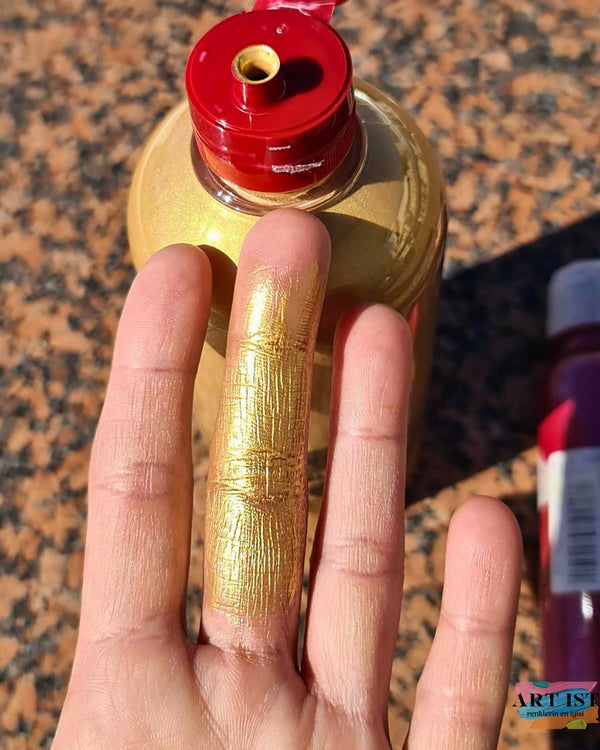
You can build your first palette from our acrylic paints.
A materials list for beginners
- A canvas (start small, say 25x35 cm) or canvas board
- Basic colours: red, blue, yellow, white, black (you can mix most shades from these five)
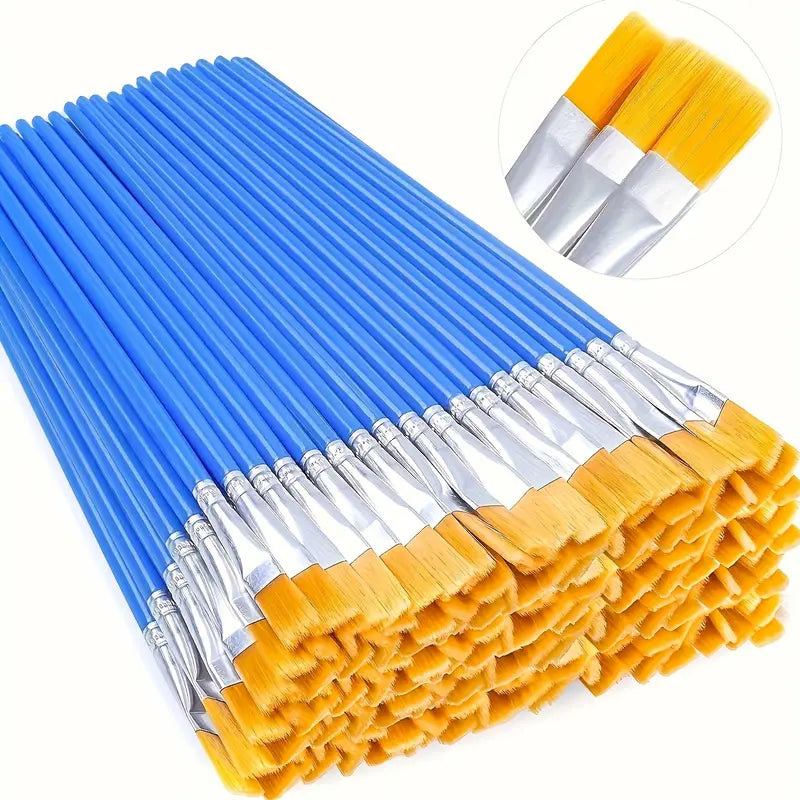
- A few different artist brushes (flat, round, fine-tipped)
- A water pot and a palette (an old plate will do)
- Paper towel, pencil, eraser
- Optional: glaze medium (a drying retarder — easier blending)
- Varnish for when you've finished
The basics of mixing colour
With the three primaries (red, blue, yellow) plus white and black you can achieve almost any shade:
- Blue + yellow = green
- Red + yellow = orange
- Red + blue = purple
- Colour + white = a lighter tone (pastel)
- Colour + a little black = a darker/shadow tone (careful — use very little)
Test your mixes on the palette; start with a little paint and add slowly.
Step by step: your first painting
1. Prepare the canvas (gesso)
Ready-made canvases are usually primed (gessoed). If you're using canvas board, a coat of white primer smooths the surface and helps the paint grip better.
2. Sketch the composition lightly
Mark out what you're going to paint lightly in pencil. Start simple: a landscape, a still life (fruit or a vase) or abstract colour blocks are ideal for beginners.
3. Start with the background
Paint the large areas and the background first, and leave the details until last. Since acrylic covers over itself, working from back to front makes the most sense.
4. Build up in layers
Lay in the dark tones, then the mid-tones, and add the light highlights last. Wait for each layer to dry; with acrylic that's very quick. If you make a mistake, paint over it once it's dry.
5. Detail and highlights
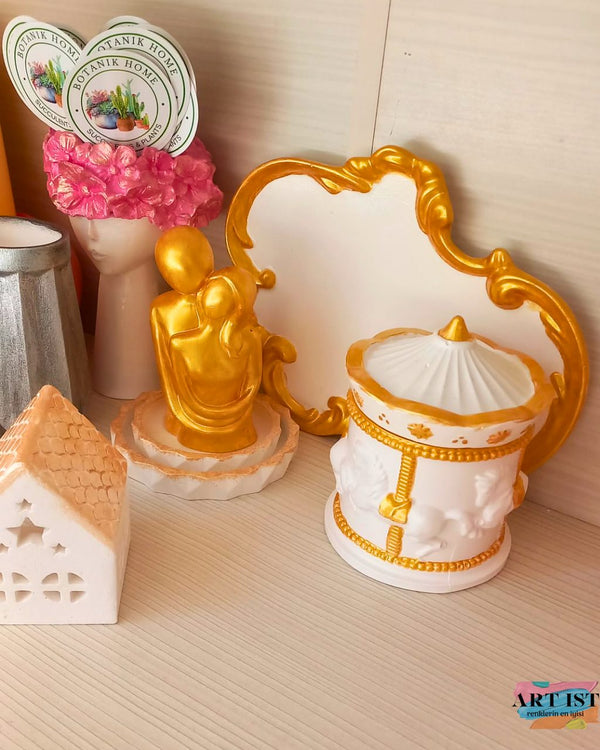
Add the details with a fine-tipped brush, and the brightest points in white or a light tone. This step gives the painting depth and life. If you want a metallic shimmer, you can add small highlights in metallic tones.
6. Signature and varnish
When the painting is finished, sign it in the corner. Once it's fully dry, a coat of varnish brings the colours to life and protects the painting against dust, UV and scratches. Gloss varnish deepens the colours; matte varnish gives a calmer look.
6 techniques for beginners
- Flat painting: Even, single-colour areas.
- Dry brush: Little paint, for a textured, weathered effect.
- Wash: Thinned with water for transparent, watercolour-like layers.
- Layering: A new layer over a dry one, for depth.
- Wet-on-wet: Mixing wet paint on the canvas for soft transitions.
- Stippling: Texture and leaf or grass effects with the tip of the brush.
Acrylic drying too fast? There's a solution
Acrylic's only real "difficulty" is how fast it dries, which leaves little time for blending. The solution: add glaze medium (a drying retarder). It keeps the paint open and makes soft transitions easier. Misting your palette with water now and then also slows the drying.
Mistakes beginners often make
- Too much water: The paint runs and loses its opacity.
- Using too much black: A little black is enough for shadow; more makes it muddy.
- Impatience: Going over a layer before it's dry causes cloudiness.
- Letting the brush dry out: Acrylic that dries in a brush won't wash out; dip it in water now and then.
- Starting with the details: Big areas first, details afterwards.
Frequently asked questions
Which colours should I start canvas painting with?
Red, blue, yellow, white and black are enough; you can mix most shades from those five. You widen the palette as you go.
Does acrylic paint crack on canvas?
It's flexible and durable once dry, and won't crack in normal use. Very thick layers dry slowly; thin coats are safer.
Is it essential to varnish a painting?
Not essential, but recommended; varnish brings the colours to life and protects against dust and UV fading.
How do I clean my brushes?
Acrylic is water-based; wash them in warm water immediately after use. Dried paint ruins a brush, so don't let it dry out while you work.
What can I use instead of canvas?
Canvas board, heavy drawing paper, wooden panel or MDF are all suitable for acrylic; ideal for inexpensive experiments.
Canvas painting is a pursuit anyone can enjoy, with patience and without fear of experimenting. A small canvas, a few colours and the steps in this guide, and you can start today. Choose your paints and brushes and create your first painting — don't be afraid of getting it wrong; acrylic forgives!