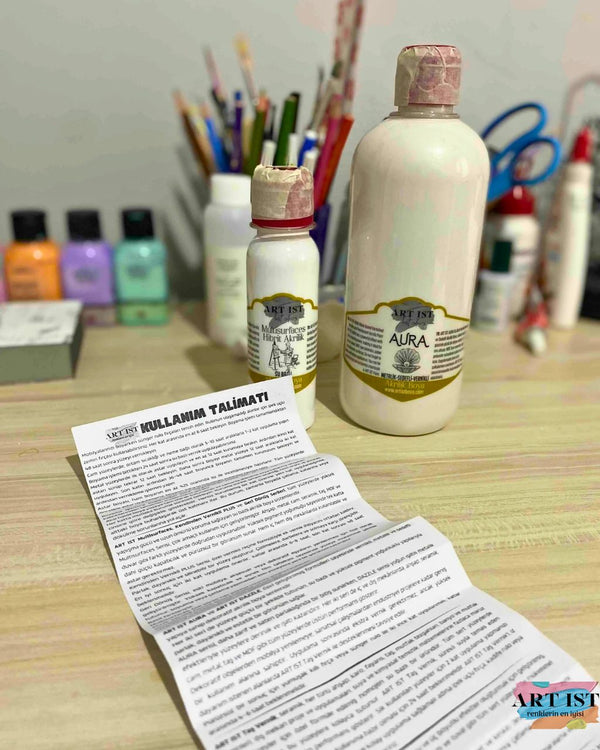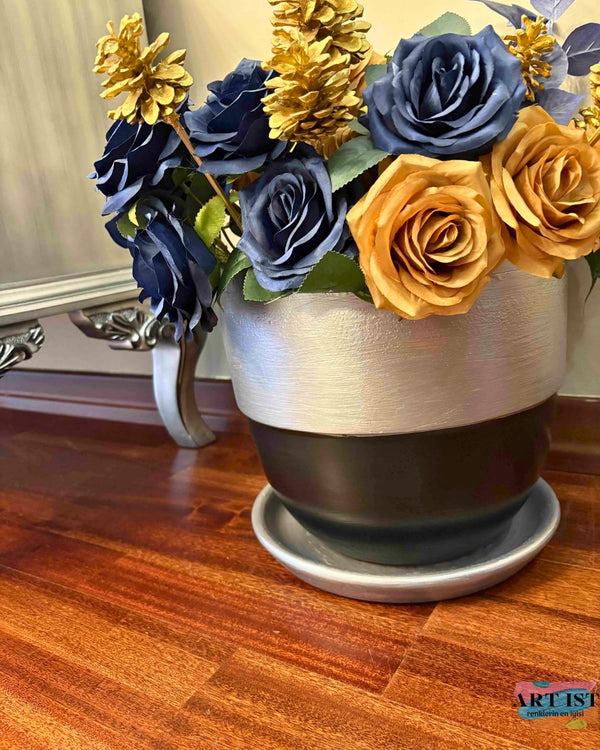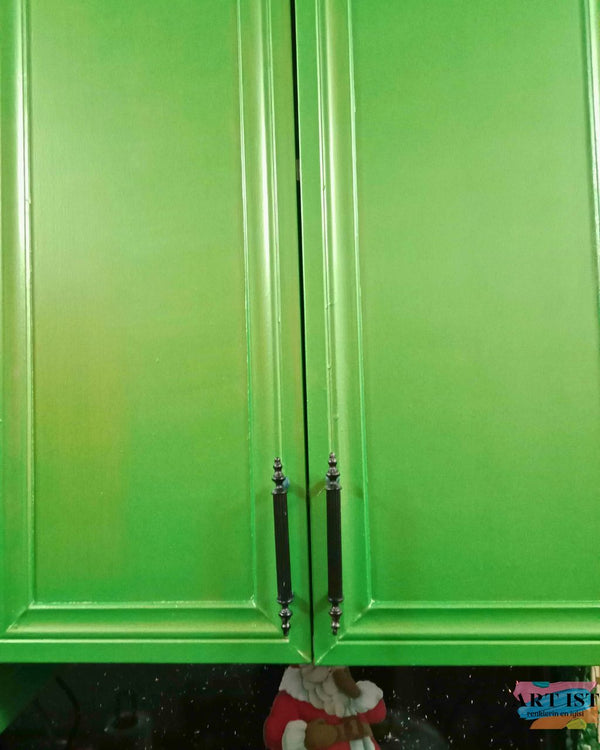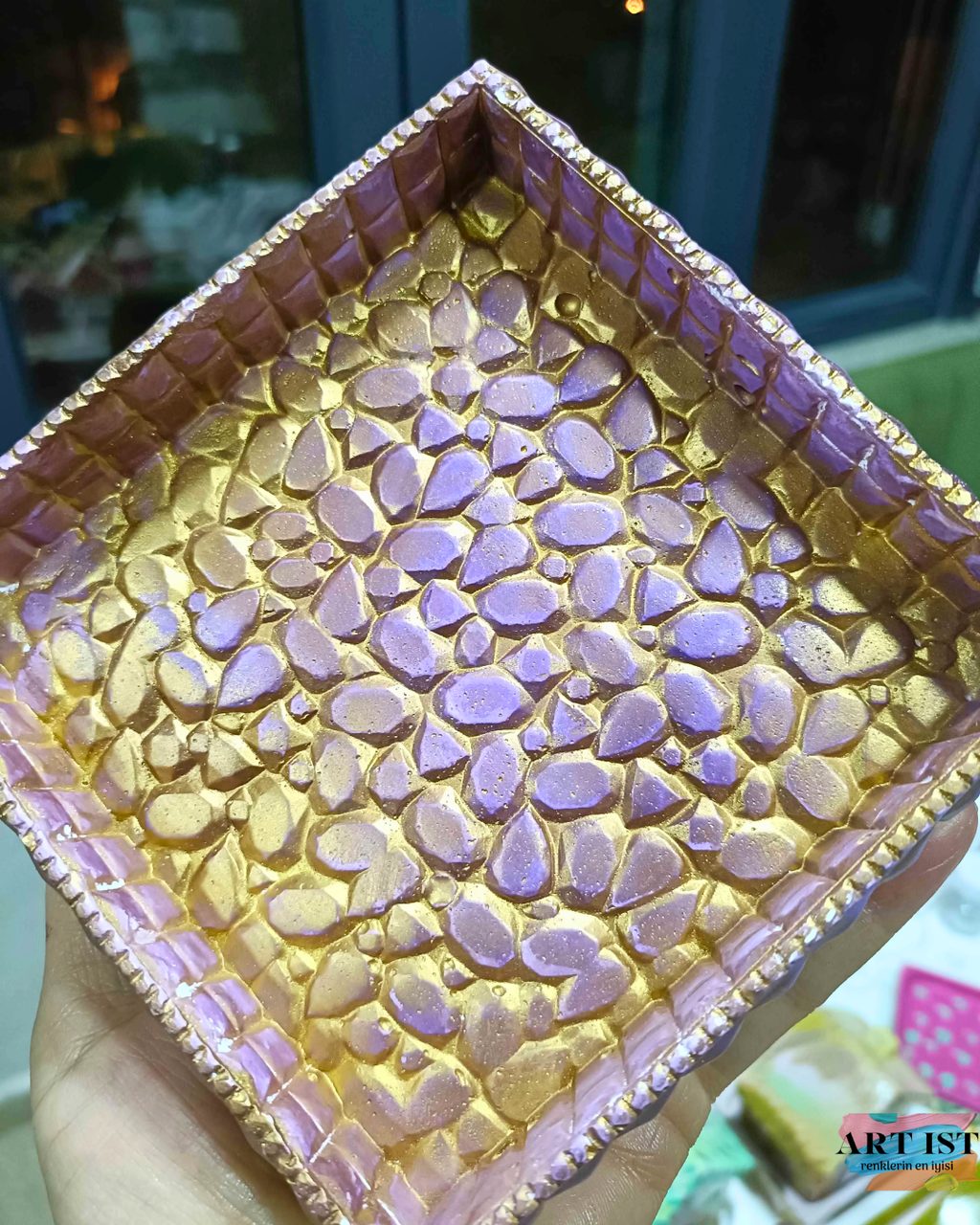
The last step of a good paint job is the one most often skipped: varnish. Yet varnish is the magic touch that both protects your work and decides the final look of the surface. Gloss, matte or semi-matte? In this guide we walk through which varnish to use when, how to apply it, and the mistakes people most often make.
What does varnish do?
- It protects: It wraps the surface like a shield against scratches, water, stains and UV fading.
- It adds durability: It extends the life of the paint, particularly on things that get handled often.
- It sets the look: The same paint looks vivid and luminous under gloss varnish, calm and sophisticated under matte.
- It deepens the tone: It slightly saturates the colours and gives a "finished" look.
Gloss, matte, semi-matte: which one, when?
Gloss Varnish
The option that reflects the most light. It brings colours to life and gives a wet, rich look. Ideal for metallic and vivid colours, decorative objects, and any piece you want to catch the eye. Gloss Varnish is also the easiest finish to clean.
Matte Varnish
It doesn't shine, and gives a calm, natural texture. It suits modern, rustic and pastel work beautifully — and distressed pieces especially well. Fingerprints and scratches show less. Matte Varnish is the choice for anyone after an elegant, "expensive" feel.
Semi-Matte Varnish
The balance between the two. It gives a gentle sheen without shining. The safe choice when you can't decide; it looks balanced on things used every day. Semi-Matte Varnish is the most versatile option.
Special case: Stone Varnish
A special finish developed for natural stone, plaster, pots and porous surfaces. It protects without spoiling the texture of the stone and strengthens its natural look. It gives extra protection to pots heading outdoors — Stone Varnish is the first choice for work like this.
Which varnish for which project?
- Kitchen and bathroom items, trays, surfaces handled constantly: gloss or semi-matte (easy to clean).
- Furniture, frames, decorative boxes: matte or semi-matte (elegant, hides marks).
- Metallic/vivid decorative objects: gloss (increases the shimmer).
- Pots, stone, plaster figures: stone varnish.
- Distressed/vintage work: matte (the most natural vintage texture).
How to apply varnish
1. Wait for the paint to dry completely
The paint must be fully dry before varnishing; varnishing over damp paint causes marks and cloudiness. With acrylic, a few hours is usually enough — allow a day for thick coats.
2. Use a clean, soft brush or sponge
Apply in thin, even coats, in one direction. Don't overbrush; varnish levels itself. Soft brushes give a mark-free result.
3. Thin coats, patient drying
Two thin coats are more durable and smoother than one thick one. Follow the recommended drying time between coats.
4. Dry it somewhere dust-free
Wet varnish attracts dust; while it dries, keep the piece somewhere clean and well ventilated.
The most common mistakes
- Varnishing before the paint is dry → cloudiness.
- One thick coat → cracking and marks.
- Brushing back and forth too much → bubbles and brush marks.
- Choosing the wrong varnish → gloss varnish over a distressed piece, for example, spoils the vintage feel.
Frequently asked questions
Does every paint need varnish?
Not necessarily, but it's recommended; it extends the life of anything used often or kept outdoors. If you'd rather skip a step, our self-varnishing PLUS series combines paint and varnish in one product.
Does gloss varnish yellow?
Water-based acrylic varnishes dry clear and don't yellow over time — a big advantage over solvent-based ones.
Does matte varnish fade the colour?
No, it doesn't fade anything; it only reduces light reflection, which can make the colour look a little "calmer" to the eye.
Can I spray varnish instead of brushing it?
On wide, flat surfaces a spray gives a more even coat; on small, detailed work a brush gives more control.
The right varnish turns good work into perfect work. Depending on your project, take a look at our gloss, matte, semi-matte and stone varnish options — and for paint, all of our acrylic colours are waiting. Happy painting!