A tired bedside table, a boring chair or a dated cabinet — think twice before you throw it out. With a little paint and a few hours, those pieces can become brand-new, personal favourites. Furniture upcycling is economical, environmentally friendly and deeply satisfying. Here are five ideas to inspire you, and how to do them.
The basic steps of painting furniture
Whichever idea you choose, the basic process is the same:
- Clean it: Wipe away dust, grease and dirt.
- Sand it: Take the shine off any glossy or lacquered surface so the paint can grip.
- Prime it (if needed): A coat of primer on dark or stained furniture.
- Paint it: In thin coats, following the grain.
- Protect it: Seal with varnish once dry — essential on furniture in regular use.
For paint, choose acrylic paints, which grip wood strongly.
Idea 1: A modern refresh in a single colour
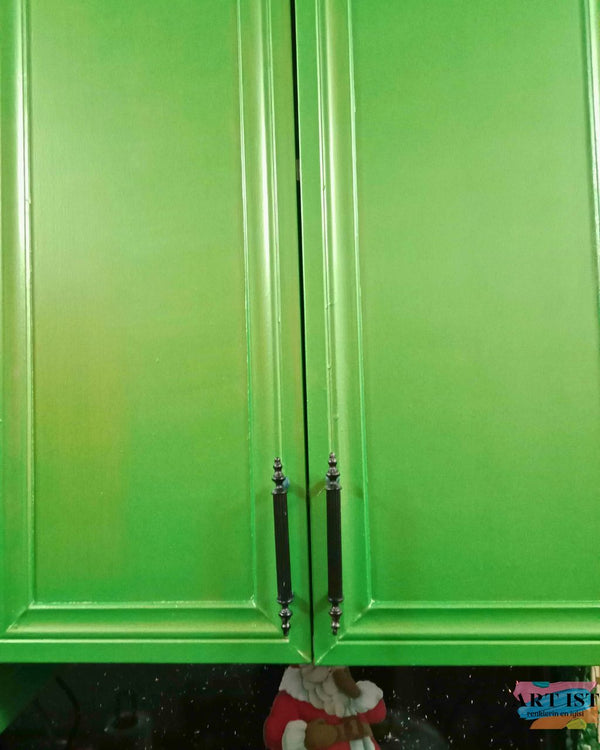
The easiest and most effective approach. Paint the old piece in one elegant colour (charcoal, sage green, powder pink) and change the handles. Even a plain bedside table looks completely different with that touch. Matte varnish gives it a modern feel.
Idea 2: A vintage feel with distressing
For a romantic, aged look, distressing is wonderful: two tones of paint, a little sanding and matte varnish. See our distressing guide for the full method. It suits farmhouse and classic interiors beautifully.
Idea 3: Two colours / colour blocking
One colour for the body of the piece, another for the drawers or doors. Or light on the top half, dark on the bottom. Masking tape gives you crisp lines. The result is modern and playful.
Idea 4: Metallic and gold details
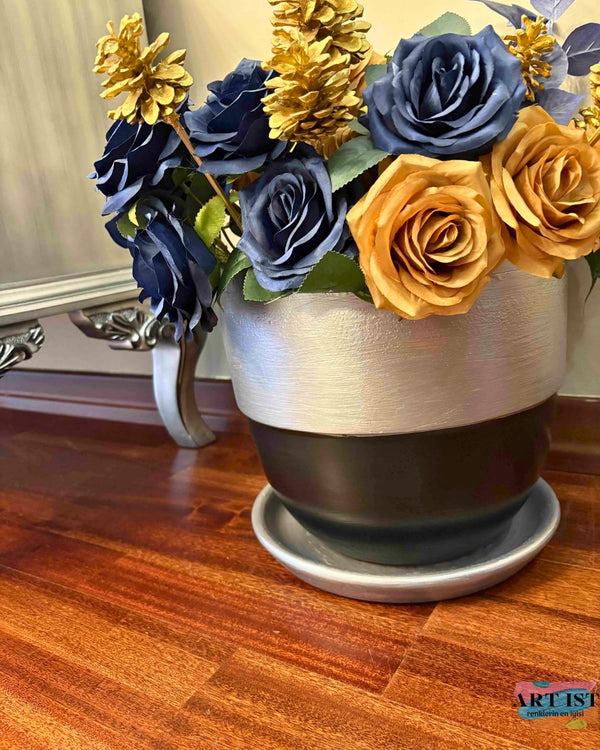
A touch of metallic gold or copper on drawer edges, legs or mouldings adds a luxurious feel — turning a plain piece into a design object. Fine gold lines with liquid leaf also look very smart.
Idea 5: Pattern and stencil
Apply a stencilled pattern (geometric, botanical, ethnic) to cabinet doors or drawer fronts. It creates a wallpaper effect. It takes fine work, but the result is striking.
Which furniture can be painted?
- Wood and MDF: Ideal; acrylic grips strongly.
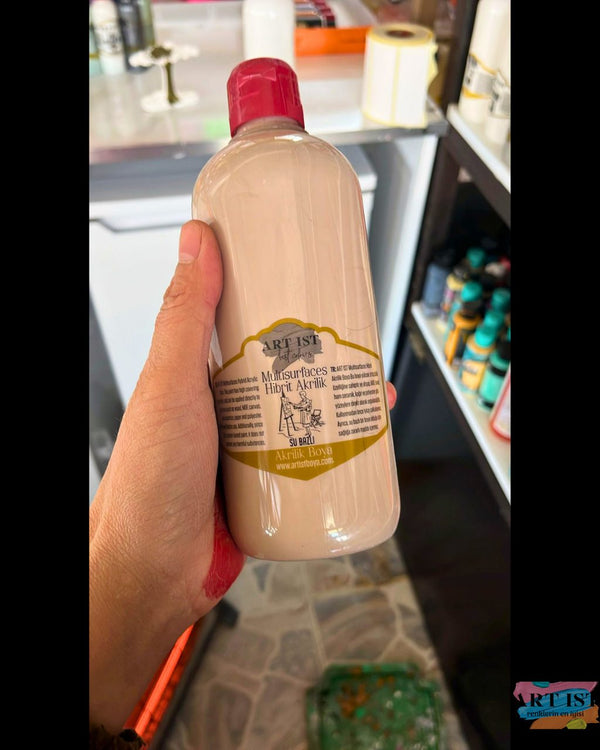
- Laminate/lacquered surfaces: Paintable with sanding (and a hybrid paint if needed).
- Metal fittings: Clean off rust, then use a hybrid/multisurface paint.
- Plastic parts: Sanding plus a hybrid paint.
Common mistakes
- Skipping the sanding: Paint won't grip a lacquered surface and will peel.
- Applying thick coats: Drips and marks; thin coats are essential.
- Leaving it unvarnished: On furniture in regular use, the paint wears quickly.
- Not waiting for it to dry and cure: Using it too early causes scratches and damage.
- Leaving the old handles on: A small detail that makes a big difference.
Frequently asked questions
Can lacquered furniture be painted?
Yes; sand the surface to take the shine off, remove the dust, and prime if needed. Without that step the paint won't grip.
Is varnish essential?
On furniture in regular use, yes; it protects the paint against scratches and wear and extends its life.
How long does painted furniture last?
Years, with the right preparation (sanding + primer + thin coats + varnish). Waiting for a full cure improves durability.
How many coats of paint are needed?
Usually 2; for a light colour over dark furniture, a primer plus 2–3 coats.
Which colour should I choose?
It depends on your space: neutral tones (grey, white, sage) are timeless; vivid colours work for a statement piece. A small test area helps.
Upcycling an old piece of furniture is one of the most enjoyable and economical ways to give your home character. Take a weekend, a little paint and these ideas; the piece you were about to throw out could become your favourite. Choose your colours and start the transformation!