Painting plastic looks difficult at first — the paint slides, flakes, or simply won't grip. In fact, with the right product and a few simple preparation steps, plastic surfaces take on a lasting, professional look too. An old plastic plant pot, a toy, a lampshade, an organiser or a decorative object; all of them can take on a new colour. In this guide we take you step by step through painting plastic so it lasts, why paint doesn't grip, and the secrets of a finish that won't flake.
Why is plastic a difficult surface?
Unlike wood, plastic isn't absorbent, and it usually has a smooth, slippery surface. On top of that, many plastics carry a film or mould-release agent that repels paint. Add plastic's flexibility (it bends and flexes) and ordinary paint cracks and flakes off. The solution: the right paint, with high adhesion, and the right preparation.
Not all plastics are the same
Knowing your type of plastic makes the job easier:
- Rigid plastics (PVC, ABS, acrylic glass): The group that holds paint best. Most hobby and decorative objects fall into this class.
- Flexible plastics (PE, PP — bags, some containers): The hardest of all. If the paint can't keep up with the flexing it cracks, and durability suffers.
- Foam and polystyrene: Water-based acrylic can be used safely (solvents melt foam; acrylic doesn't).
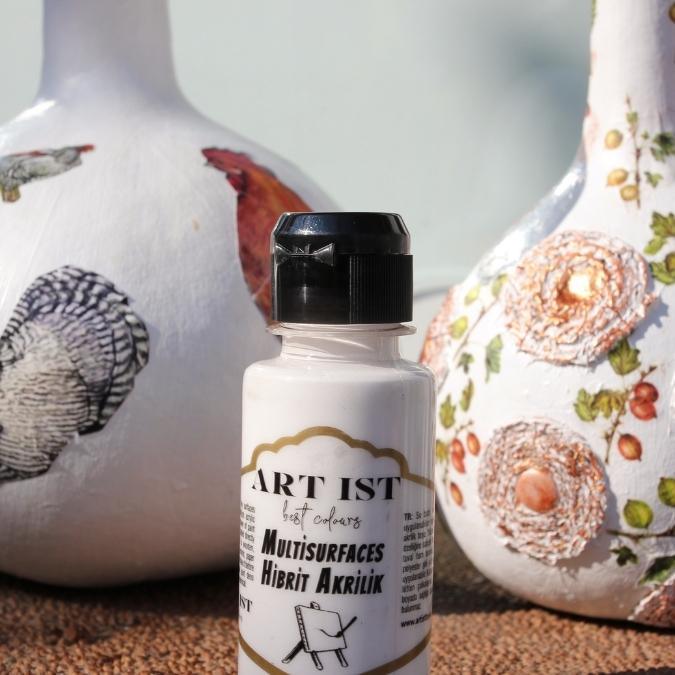
On rigid plastics, the Multisurfaces hybrid range gives the safest result; it was developed precisely to grip smooth surfaces like plastic.
What you'll need
- A hybrid acrylic paint suitable for plastic
- Fine sandpaper (around 400 grit) or a sanding sponge
- Alcohol or soapy water (for cleaning the surface)
- Primer (especially on flexible or difficult plastics)
- A soft brush or sponge
- Varnish (for durability)
Step by step: how to paint plastic
1. Clean it thoroughly
Grease, dust and mould-release film on a plastic surface are paint's greatest enemies. Wash it in soapy water, rinse and dry it completely. Then wipe it with alcohol to remove the last traces of grease. Skip this step and the paint can flake off within days.
2. Take the shine off (sanding)
Scratch the surface lightly with fine sandpaper (400 grit) or a sanding sponge. The aim is to break the shine and create the micro-texture the paint grips onto. There's no need to press hard; a matte appearance is enough. Wipe off the sanding dust.
3. Apply a primer (especially on difficult plastics)
On plastic, primer is the key to durability. A primer suitable for plastic, or a thin bonding coat, dramatically improves how well the paint grips. On flexible plastics a primer is all but essential. Apply it thinly and wait for it to dry fully.
4. Paint in thin coats
On plastic, a thick coat cracks and runs. Apply the paint in thin, even coats and wait for each one to dry. Two or three thin coats give a full, flexible result. A sponge minimises brush marks.
5. Allow time for a full cure
Paint settles a little more slowly on plastic than on porous surfaces. Don't rush to use it; wait a few days for full durability. Try not to handle the object much during that time.
6. Lock it in with varnish
Varnish is essential on plastics that get used often or will live outdoors. Gloss varnish gives a vivid, protected finish; matte varnish gives a soft, elegant texture. On flexible plastic, varnish also delays cracking.
Extra tips for flexible plastic
- Where you can, choose rigid objects that don't flex (durability is far higher).
- On a flexible surface, always use the trio of primer + thin coats + varnish.
- On parts that bend constantly (lids, for example) the paint will tire over time; accept that up front.
Decorating ideas
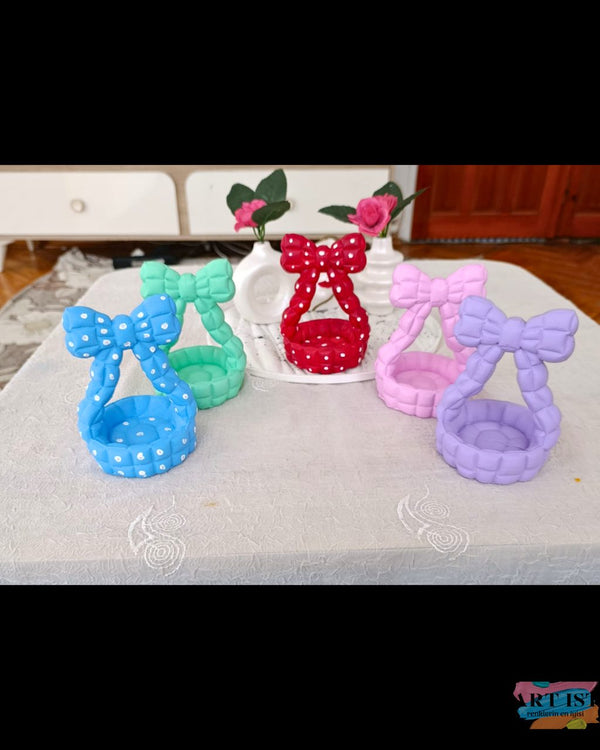
Plastic objects look completely different with colour: you can turn an old white plant pot terracotta, a boring organiser pastel, or a plastic letter metallic gold. Vivid colours are wonderful for a child's room, matte charcoal for modern decor. Adding small gold details with liquid leaf makes cheap-looking plastic look expensive.
Common mistakes when painting plastic
- Skipping the cleaning: The film of grease repels the paint and it flakes off.
- Not sanding: Paint won't grip a glossy surface.
- Not using a primer: A short life, especially on flexible plastic.
- Applying thick coats: Cracking and runs.
- The wrong paint: Standard acrylic is weak on plastic; use the hybrid range.
- Leaving it unvarnished: It scratches and wears quickly.
Frequently asked questions
Does ordinary acrylic paint grip plastic?
Only up to a point. Standard acrylic adheres weakly to plastic and flakes off easily. A hybrid acrylic (such as Multisurfaces) gives adhesion made for plastic.
Is a primer essential?
On rigid plastics you can get a good result without one, given thorough cleaning and sanding; but on flexible and difficult plastics, primer guarantees durability.
Can plastic plant pots be painted?
Yes. With cleaning + sanding + hybrid paint + varnish they last a long time, even outdoors. Leave the inside unpainted (for the plant).
Why is my paint cracking on plastic?
Usually because of thick coats or a flexing surface. Thin coats and varnish prevent or delay cracking.
Can polystyrene or foam be painted?
Yes — water-based acrylic doesn't melt foam and is safe to use; solvent-based paints melt foam, so avoid those.
With the right preparation, plastic is actually a very rewarding surface. Clean it, take the shine off, prime it, apply thin coats and finish with varnish — your ordinary plastic items will look brand new. Start with the Multisurfaces range and enjoy a finish that won't flake!